Source wireless microneedling derma pen for Wrinkle Removal, Skin Rejuvenation, and Facial Treatment
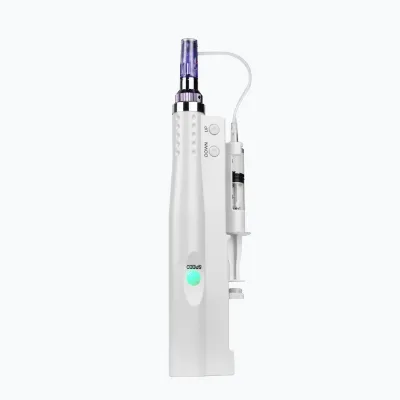
Explore 30 wireless microneedling derma pen options from China with adjustable needle lengths and portable designs. Buyers can compare models like Dr Pen M5 and A6s for salon or home use, featuring stainless steel needles and CE certifications.
Key considerations
Products List




Comprehensive Sourcing Guide
Strategic Sourcing Guide for Wireless Microneedling Derma Pens
The global demand for non-invasive aesthetic devices has driven a significant shift toward wireless microneedling derma pens, which combine mechanical stimulation with portability. For B2B procurement professionals, sourcing these devices requires a rigorous understanding of technical specifications, regulatory compliance, and supply chain dynamics. The market presents a diverse array of models, ranging from basic derma rolling systems to advanced multi-functional beauty equipment. This guide outlines the critical factors buyers must evaluate to ensure the acquisition of high-quality, compliant, and cost-effective units for distribution or professional use.
Technical Specifications and Device Architecture
When evaluating wireless microneedling derma pens, the primary distinction lies in the underlying technology and mechanical design. The product landscape includes devices categorized as "No-Needle Mesotherapy Devices" and "Derma Rolling Systems," alongside the more prevalent "Derma Pen" category which utilizes vertical needle motion. A critical technical parameter is the needle length, which typically ranges from 0.25mm to 2.0mm in standard configurations, with some advanced models offering adjustable lengths up to 2.5mm. This adjustability allows practitioners to target different skin depths for various treatments, from superficial hydration to deeper collagen induction.
The construction materials are equally vital for durability and safety. High-grade devices often feature bodies made from aluminum, providing a robust yet lightweight structure. The needle tips themselves are frequently constructed from stainless steel, sometimes combined with other materials to enhance performance. Buyers should verify the specific needle material composition, as the interaction between the needle and the skin dictates the efficacy of the treatment. Furthermore, the power source is a defining feature of wireless models. Specifications indicate the use of built-in lithium batteries, with some units featuring dual battery configurations, such as 600mAh*2 PCS, to ensure extended operational time during salon or home sessions.
Speed control is another essential technical specification. Most modern derma pens offer multiple speed levels, commonly ranging from 6 levels, allowing for precise control over the needle penetration rate. This feature is crucial for adapting the device to different skin types and treatment areas, including the face, neck, and body. The weight of the main body, often around 150 grams, contributes to the ergonomics of the device, reducing hand fatigue during prolonged use.
Regulatory Compliance and Certification Verification
Navigating the regulatory landscape is paramount for any B2B procurement involving medical or aesthetic devices. In the context of wireless derma pens, compliance is not merely a formality but a prerequisite for market entry in many regions. Buyers must verify that suppliers possess valid certifications, specifically looking for CE, FCC, RoHS, and ISO13485. These certifications indicate that the device meets specific safety, electromagnetic compatibility, and quality management standards.
The ISO13485 standard is particularly significant as it relates to medical device quality management systems. While background information suggests this standard is relevant, buyers must confirm the current validity of these certificates for the specific model being sourced. Additionally, the product standard designation, such as "dr pen MYM" or specific model numbers like "OC232," serves as a reference point for regulatory documentation. It is essential to ensure that the certification applies to the exact model and configuration being purchased, as variations in manufacturing can affect compliance status.
Buyers should also scrutinize the "Usage" and "Application" claims against regulatory definitions. Devices marketed for "External Use" with applications in "Salon" and "Home" settings must adhere to local regulations regarding cosmetic versus medical devices. The distinction between a cosmetic tool and a medical device can impact liability and insurance requirements. Therefore, verifying that the supplier's documentation clearly delineates the intended use and regulatory classification is a critical step in the sourcing process.
Cost Drivers and Pricing Dynamics
The pricing structure for wireless microneedling derma pens is influenced by several factors, including material quality, technological complexity, and certification status. Market observations indicate a price range from approximately 9 USD to 108.11 USD, reflecting the wide spectrum of product tiers available. Lower-priced units often correspond to basic models with fewer features, such as fixed needle lengths or single battery configurations. In contrast, higher-priced models typically offer advanced features like adjustable needle lengths, dual batteries, and comprehensive certification packages.
The Minimum Order Quantity (MOQ) is another significant cost driver, with observed ranges spanning from 1 to 100 units. Buyers with smaller volume requirements may face higher per-unit costs but benefit from lower upfront capital expenditure. Conversely, larger orders can leverage economies of scale to reduce the unit price. The supply type, which includes OEM, OBM, and ODM options, also impacts pricing. Customization services, such as branding or specific feature modifications, will inevitably increase the cost but add value for brands seeking differentiation.
Lead times, typically observed between 3 to 5 days for standard orders, can fluctuate based on order volume and customization requirements. Buyers must factor in these timelines when planning inventory to avoid stockouts. Additionally, the packaging type, ranging from standard boxes to "Ultra Box" configurations, can influence the final landed cost, especially for products destined for retail markets where presentation is key.
Typical Applications and Market Segmentation
Wireless microneedling derma pens serve a broad range of applications, primarily focused on skin rejuvenation and aesthetic enhancement. The primary efficacy claims include wrinkle removal, skin beauty, and skin rejuvenation. These devices are designed for use on various body parts, including the face, neck, forehead, eyes, nose, lips, and even larger areas like the breast, buttocks, and body. This versatility makes them suitable for both professional salon environments and home use, expanding the potential market reach.
The target demographic is predominantly adults, with devices designed to be unisex. The treatment process often involves the application of serums or gels, sometimes utilizing natural product extraction technologies, to enhance the delivery of active ingredients into the skin. The "Dermal Filler Injection" usage mode suggests that some devices are intended to work in conjunction with injectable products, although this requires careful verification of the device's specific capabilities and regulatory standing.
For B2B buyers, understanding the specific application context is crucial for marketing and positioning. Salon professionals may prioritize devices with high speed levels and robust battery life for continuous use, while home users may value portability and ease of operation. The "Portable" attribute is a key selling point for both segments, allowing for flexible treatment locations.
Supplier Evaluation and Quality Assurance
Selecting the right supplier requires a thorough evaluation of their capabilities, particularly regarding customization and quality control. Suppliers offering OEM/ODM services provide flexibility for buyers to create private-label products, which is essential for building a unique brand identity. The availability of customization, including branding and specific model configurations, should be confirmed early in the negotiation process.
Quality control measures must be stringent to ensure product safety and efficacy. Buyers should request detailed specifications regarding the needle material, such as stainless steel, and verify the manufacturing standards. The "Grade" of materials, ranging from A1 to Mym, indicates varying levels of quality, and buyers should align these grades with their target market expectations. Additionally, the warranty period, typically 1 year, serves as an indicator of the supplier's confidence in their product durability.
Inspection protocols should include checks for the "Side Effect" profile, with a specific focus on ensuring the device is designed to minimize adverse reactions. The "Disposable" nature of certain components, such as needle cartridges, must be clearly defined to ensure hygiene and safety standards are met. Buyers should also verify the availability of adapters for different regions, such as US, EU, UK, AU, and KR, to ensure global compatibility.
Long-Term Procurement and Supply Chain Resilience
Sourcing wireless microneedling derma pens is not a one-time transaction but a strategic partnership that requires long-term planning. The supply type, including OEM/ODM options, suggests that buyers should consider the scalability of the supplier's production capabilities. As demand grows, the ability to maintain consistent quality and lead times becomes critical.
Buyers must also consider the lifecycle of the product. With a warranty of 1 year, suppliers should have robust after-sales support and spare parts availability. The "Build in Lithium" battery technology implies that battery replacement or recycling protocols may be necessary in the future. Ensuring that the supplier can support these long-term needs is essential for maintaining customer satisfaction and brand reputation.
Furthermore, the "Customization" availability allows for product evolution. As market trends shift, the ability to modify needle lengths, battery capacities, or material grades can keep the product line competitive. Buyers should establish clear communication channels with suppliers to facilitate these adaptations. Finally, monitoring the "Delivery" lead times, which are currently observed at 3-5 days, is vital for inventory management. Any delays in production or shipping can disrupt the supply chain, so contingency planning is recommended.
Comparative Analysis of Device Models
To assist in decision-making, the following table compares key attributes of observed product models, highlighting the variations in specifications and features.
| Feature | Model M8 | Model Dr Pen M5 | Model A6s | Model A6 |
|---|---|---|---|---|
| Type | No-Needle Mesotherapy | Derma Rolling System | Multi-Functional Beauty | Multi-Functional Beauty |
| Needle Length | 0.25mm - 2.0mm | 0.25mm - 2.0mm | 0 - 2.5mm (Adjustable) | Variable |
| Battery | Built-in Lithium | Built-in Lithium | 600mAh * 2 PCS | Built-in Lithium |
| Speed Levels | Not Specified | Not Specified | 6 Levels | Not Specified |
| Material | A1/A6/A7/M5/M7/Mym | A1/A6/A7/M5/M7/Mym | Aluminum | Aluminum |
| Packing | Box | Box | Ultra Box | Box |
| Certification | CE, FCC, RoHS, ISO13485 | CE, FCC, RoHS, ISO13485 | CE, FCC, RoHS, ISO13485 | CE, FCC, RoHS, ISO13485 |
| Origin | China | China | China | China |
| Warranty | 1 Year | 1 Year | 1 Year | 1 Year |
This comparison underscores the importance of matching specific model attributes to buyer requirements. While all models share common origins and certifications, the variations in battery capacity, needle adjustability, and material grades offer distinct advantages for different market segments. Buyers should carefully weigh these differences against their specific operational needs and target customer profiles.
In conclusion, sourcing wireless microneedling derma pens requires a balanced approach that integrates technical due diligence, regulatory verification, and strategic supply chain management. By focusing on the core attributes outlined in this guide, B2B buyers can navigate the complex landscape of aesthetic device procurement and secure high-quality products that meet the evolving demands of the global market.
FAQs
What certifications do wireless microneedling derma pens have?
These devices typically hold CE, FCC, RoHS, and ISO13485 certifications. Buyers must verify that these certificates apply to the specific model being sourced to ensure regulatory compliance for their target market.
How long is the delivery time for these devices?
The standard delivery time is 3 to 5 days for most orders. This lead time may fluctuate based on order volume and any customization requirements like OEM branding or specific feature modifications.
Which needle lengths are available for these pens?
Needle lengths generally range from 0.25mm to 2.0mm, with some advanced models offering adjustable lengths up to 2.5mm. This adjustability allows practitioners to target different skin depths for various treatments.
Can these devices be customized for private labeling?
Yes, OEM, OBM, and ODM customization services are available for these products. Buyers can request specific branding or feature modifications, though these services will inevitably increase the unit cost.
What is the warranty period for the main body?
The standard warranty period provided is 1 year for the main body. This warranty serves as an indicator of the supplier's confidence in product durability and includes after-sales support.
How many speed levels do these devices offer?
Most modern derma pens offer 6 speed levels for precise control. This feature allows users to adapt the needle penetration rate to different skin types and treatment areas like the face or body.